Identifying Compensable Losses in an Uninsured Motorist Claim
What losses count in a car accident demand?
After a car accident in California, the process of seeking compensation often begins with identifying which losses to include in a demand. When the other driver lacks insurance, the path to recovery shifts to your own uninsured motorist claim. Understanding which losses are compensable can make a significant difference in the outcome of your case. This article outlines the key categories of damages you may be entitled to pursue.
An uninsured motorist claim is designed to put you in the position you would have been in had the at-fault driver carried liability coverage. The claim is made through your own insurance policy, but it is not a simple process. Insurance companies evaluate demands carefully, and knowing what to include is critical. A well-prepared demand letter can lead to a fair settlement offer without the need for litigation.
Medical expenses
The most immediate and tangible losses after a car accident are medical expenses. These include emergency room visits, hospital stays, surgeries, diagnostic tests, prescription medications, and follow-up care. Even if you have health insurance, your uninsured motorist claim can seek reimbursement for co-pays, deductibles, and any out-of-pocket costs you incurred. It is important to document every medical visit and keep all bills, receipts, and explanation of benefits forms. Future medical expenses, such as ongoing physical therapy or anticipated surgeries, should also be included if they are supported by a doctor's prognosis. Insurance adjusters often scrutinize medical bills, so having a clear treatment history and a link between the accident and your injuries is essential.
Lost income and earning capacity
When injuries prevent you from working, lost income becomes a major component of your demand. This includes wages you would have earned from your regular job, as well as income from side work or self-employment. If your injuries are severe enough to reduce your ability to work in the future, you may also claim loss of earning capacity. This is calculated by comparing your expected earnings before the accident with what you can reasonably earn afterward. To support this claim, gather pay stubs, tax returns, employer statements, and medical opinions about your limitations. Keep a log of missed workdays and any modifications to your job duties. Self-employed individuals should provide profit-and-loss statements or invoices that show the impact on their business.
Pain and suffering
Pain and suffering is a non-economic loss that compensates you for the physical discomfort and emotional distress caused by the accident. Unlike medical bills or lost wages, there is no receipt for pain. California law allows you to seek damages for the ongoing impact of your injuries on your daily life. This can include chronic pain, anxiety, depression, loss of enjoyment of activities, and strain on personal relationships. Insurance companies often use a formula to estimate pain and suffering, such as multiplying your medical specials by a certain factor. However, a strong demand letter uses your personal narrative to show how the accident has changed your life. A journal describing your daily struggles, along with statements from family and friends, can be powerful evidence.

One important note: the phrase "pain and suffering" is a legal term, but in your demand letter you should describe your experience in plain language. Explain how a simple task like driving or playing with your children has become difficult or impossible. The goal is to help the adjuster understand the real-world impact of your injuries.
Property damage
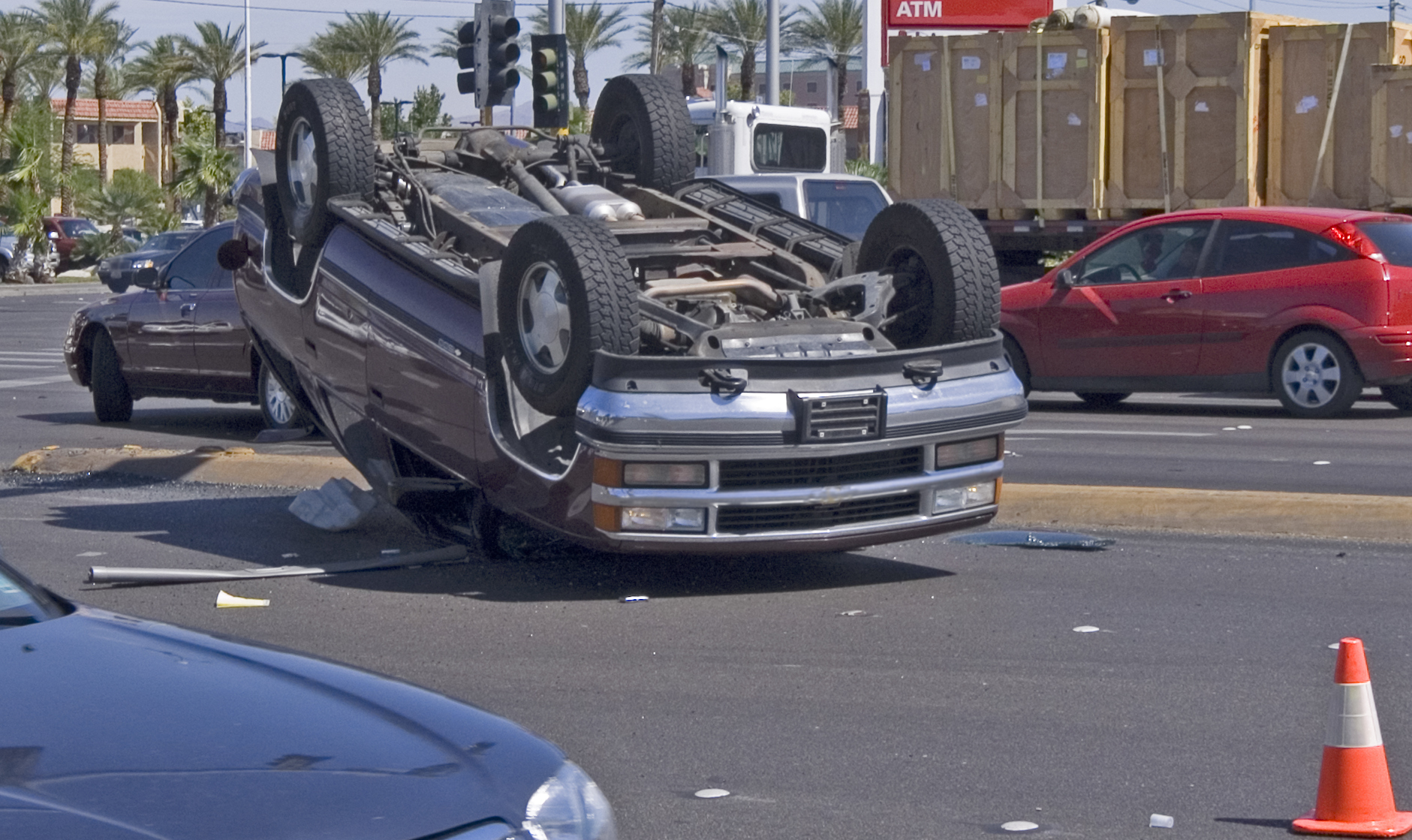
Property damage covers the cost of repairing or replacing your vehicle and any personal belongings that were damaged in the accident. This includes items inside the car, such as a laptop, phone, or child's car seat. If your car is a total loss, you are entitled to its fair market value at the time of the accident, not what you paid for it. Keep copies of repair estimates, appraisals, and receipts for any items you replace. If you need a rental car while your vehicle is being repaired, those costs may also be recoverable. Be aware that property damage is handled separately from bodily injury in most insurance policies, so it may be part of a different claim. Still, including a clear description of your property losses in your demand helps paint a complete picture of your damages.
Other out-of-pocket costs
Car accidents often create a variety of incidental expenses that add up quickly. These can include transportation costs like rideshares or bus fares if you cannot drive, fees for towing and storage of your damaged vehicle, and the cost of hiring help for household tasks you can no longer perform, such as cleaning, yard work, or childcare. Medical equipment like crutches, braces, or over-the-counter medications also count. Keep a running list of every expense, no matter how small. Insurance companies may dispute some of these items, but including them shows the full extent of your financial burden. A well-organized spreadsheet with dates, descriptions, and receipts makes your demand more credible.
Loss of consortium
If your injuries are severe enough to affect your relationship with your spouse, they may have a separate claim for loss of consortium. This compensates your spouse for the loss of companionship, intimacy, and support caused by the accident. While this is not a loss you personally demand, it can be included in the overall negotiation of your uninsured motorist claim. Your demand letter should note if your spouse has been affected, as it adds weight to the seriousness of your injuries. However, this claim is not available in every situation and should be discussed with an attorney before including it.

How to document your losses
Thorough documentation is the backbone of a successful demand. Start a file immediately after the accident and add to it regularly. Include the police report, photos of the scene and your injuries, witness contact information, and all correspondence with insurance companies. For each category of loss, create a separate section with supporting evidence. Medical records, bills, and a doctor's narrative report are essential. For lost income, get a letter from your employer on company letterhead. For property damage, obtain multiple repair estimates. For pain and suffering, keep a journal and ask close friends or family to write about the changes they have observed in you. The more concrete your evidence, the harder it is for the insurance company to minimize your claim.
You may also consider working with a California personal injury law firm that helps Union City car accident victims understand their rights and pursue compensation for injuries and losses. A firm like jagrooplaw.com can review your documentation and advise on which losses to emphasize. Their experience with uninsured motorist claims can help you avoid common pitfalls that weaken a demand.
What not to include
Not every loss belongs in your demand. Avoid including speculative damages, such as future pain and suffering that is not supported by a doctor's prognosis. Do not include losses from before the accident or those caused by a separate incident. Also, avoid making demands based on anger or frustration. Stick to the facts and your documented losses. Including inflated or unsupported claims can damage your credibility and lead to a lower settlement offer. Insurance adjusters are trained to spot inconsistencies, so be honest and accurate.
If you are unsure about whether a particular loss qualifies, it is wise to seek legal guidance. A knowledgeable attorney can help you evaluate your case and structure a demand that reflects the true value of your claim. The goal is to present a clear, organized, and compelling case that encourages the insurance company to make a fair offer without unnecessary delay.
In summary, the losses you can include in a car accident demand for an uninsured motorist claim are broad but must be carefully documented. Medical expenses, lost income, pain and suffering, property damage, and other out-of-pocket costs form the core of most claims. Loss of consortium may also be relevant in serious cases. By assembling thorough evidence and presenting your case in a professional demand letter, you improve your chances of receiving the compensation you deserve. For those navigating this process, resources like jagrooplaw.com can provide the clarity and support needed to move forward with confidence.